
A Child’s Question
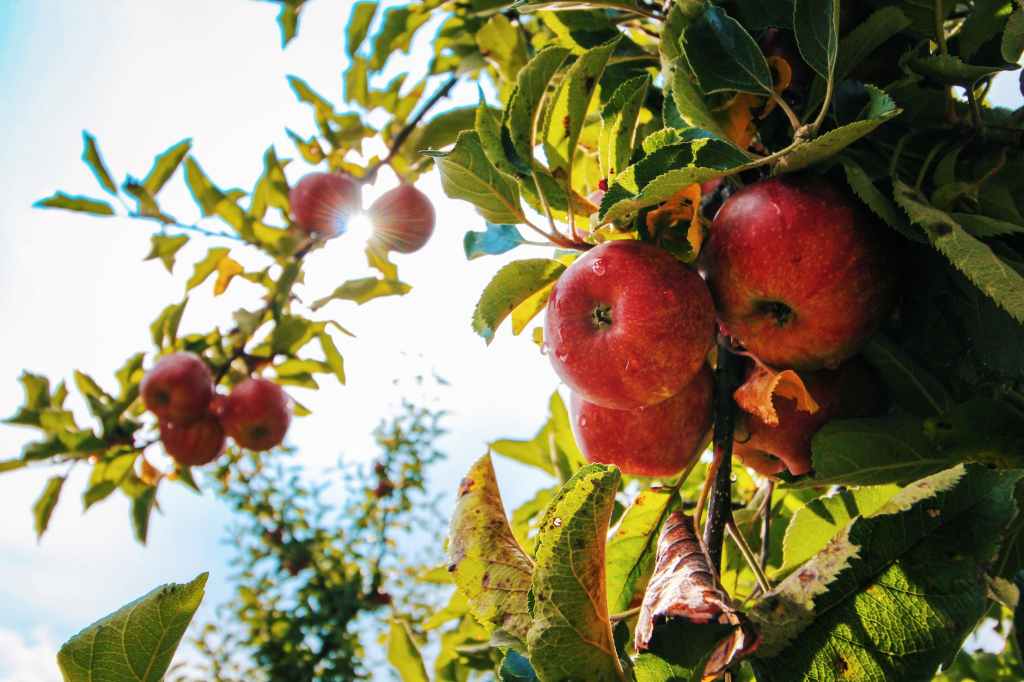
I was asleep and my oldest daughter, preschool aged, had wiggled under the covers next to me, letting in a draft of cold air. As if this disruption of my bodily comfort wasn’t enough, she had added a question – a mental splash of cold water for good measure: “Mommy, why did Eve eat the apple?” She asked plaintively, urgently, almost in a wail, as if she had been lying awake in her bed, fretting over this question until the burden of it demanded an answer. I was not prepared to respond to this level of theological rumination from a four year old. Not before my morning coffee, at least.
My daughter was, and is very much like me. She is sensitive, and the pain of others pains her. She sees life as a puzzle and wants all the pieces to fit. Young as she was in that moment, she could see that the world was not as it ought to be, and was lamenting Eve’s foolishness with a freshness of grief that I seldom feel in my adult jadedness. “Out of the mouths of babes.” is a cliche because it’s true. Children haven’t yet learned to hide their feelings and their questions. As every parent knows, a child’s gut reactions are largely unhindered by the expectations of others. This honesty can be either refreshing or maddening, depending on the circumstances, and this time it was a little of both. Her perspective made me see the tragedy of the fall with new eyes.
How We See the Faults of Others vs. Our Own
My child’s sorrow and incredulity was striking, as if all of the heartache in the world could’ve simply been avoided if Eve had only seen it coming. Isn’t that the way it often is when we look at other peoples failings? The mistakes of others often seem so obvious. It can be bewildering and confusing to understand how they ever thought that their error was a good idea. This is especially true when the consequences spill over into our lives. “Why should we suffer because they were stupid?” is the kind of thing we think but don’t say. Meanwhile our own shortcomings have a way of eluding us – at least until the consequences come crashing down on our heads. Then suddenly, when it’s too late to turn back, we have sudden clarity, and wonder what on earth we were thinking.
I groaned inwardly and let her snuggle in, tucking the blankets around her to block out the cold in an effort to stay comfortable a little bit longer. I had been snug, asleep, minding my own business, and that was the moment that my child bewildered me with a difficult question that I didn’t know how to answer. I tried to focus my groggy mind enough to think of a coherent response as to why Eve made the choice that unleashed the flood of brokenness and pain into the world. What was so great about that apple anyway?
“It must’ve seemed like a good idea at the time, I guess.” Was all I could come up with. I can’t remember if she was satisfied with this answer, but knowing my child, I suspect we circled around the question a few more times, with me groping for words that would help her understand.
In my fully conscious state I can come up with better answers. Like my child, Eve wanted to understand. Why did God forbid the fruit from the tree? What knowledge or experience was he hiding? And the serpent knew just which questions to ask; which buttons to push.
Unanswered Questions and the Desire for Control
I’m not so different from my child. These are the same questions I wonder when I am suffering, either by experiencing something directly, or by bearing witness to the pain of someone I love. Why did they do that? Why did that other person make the choice that unleashed all of this pain and suffering into the world and into my life? Why did God allow this at all? But, I’m sure you will be as shocked as I was to discover, I don’t have control over others, least of all God.
I was grateful that my daughter was still innocent enough to be baffled by Eve doing this terrible thing, and grateful that her big feelings could still be soothed by the snuggles of a mother who loves her. I also realized that this question meant she was approaching a new stage of childhood. Simplistic answers and redirection would become increasingly inadequate. I cannot undo Eve’s choice, and I’m certainly not God, but there is someone I can control by God’s grace – me. I can learn to study, seek and find. At the end of the day, I can simply be present with my child in the unanswered questions that are sure to linger.
There are answers to many of our questions, and it is good and right to search the scriptures, seek wise counsel, and to grow in knowledge and wisdom. Jesus was an example for us in this. But in our humanity we have limits. Ecclesiastes tells us:
Of making many books there is no end, and much study wearies the body.
Now all has been heard;
Ecclesiastes 12:12b-14, NIV
here is the conclusion of the matter:
Fear God and keep his commandments,
for this is the duty of all mankind.
For God will bring every deed into judgment,
including every hidden thing,
whether it is good or evil.
Hard Truths and Gentle Mercy
It is a hard truth that we don’t get all the answers we want in this life. It is even harder to accept that we wouldn’t be able to understand or bear those answers if we had them. Hardest of all is releasing our children to God, as they grapple with the things we don’t have neat answers for ourselves. Ultimately we trust that the mercy of God will hold us as we walk with him in the midst of our suffering, questions, limitations and failings. Many times I cannot understand what God is doing, but I am his child. He knows I cannot always comprehend his ways, but just like I held my daughter in her questions, he too can hold me close. And when I draw near, he does.
 Writ & Whimsy
Leave a comment